Address
304 North Cardinal
St. Dorchester Center, MA 02124
Work Hours
Monday to Friday: 7AM - 7PM
Weekend: 10AM - 5PM
Address
304 North Cardinal
St. Dorchester Center, MA 02124
Work Hours
Monday to Friday: 7AM - 7PM
Weekend: 10AM - 5PM

A practical checklist for importers comparing fire-pit specifications, documentation, packaging, order terms, and supplier communication before requesting a wholesale quote.

Comparing fire-pit suppliers is more reliable when every quotation is based on the same product brief. Photos and a headline price do not show whether two offers include the same materials, components, packaging, documentation, quantity assumptions, or delivery responsibilities. A structured sourcing process helps importers, distributors, retailers, and private-label brands identify unanswered questions before they commit to an order.
Use this wholesale fire pit sourcing checklist to organize the first supplier discussion. Confirm every specification and commercial term for the exact SKU and destination; do not assume that an option described for one model applies to the whole range.
Different fire-pit forms serve different range roles. Use the examples below to start a product discussion, then confirm the current SKU, included components, dimensions, packaging, and market-specific documentation for the selected configuration.

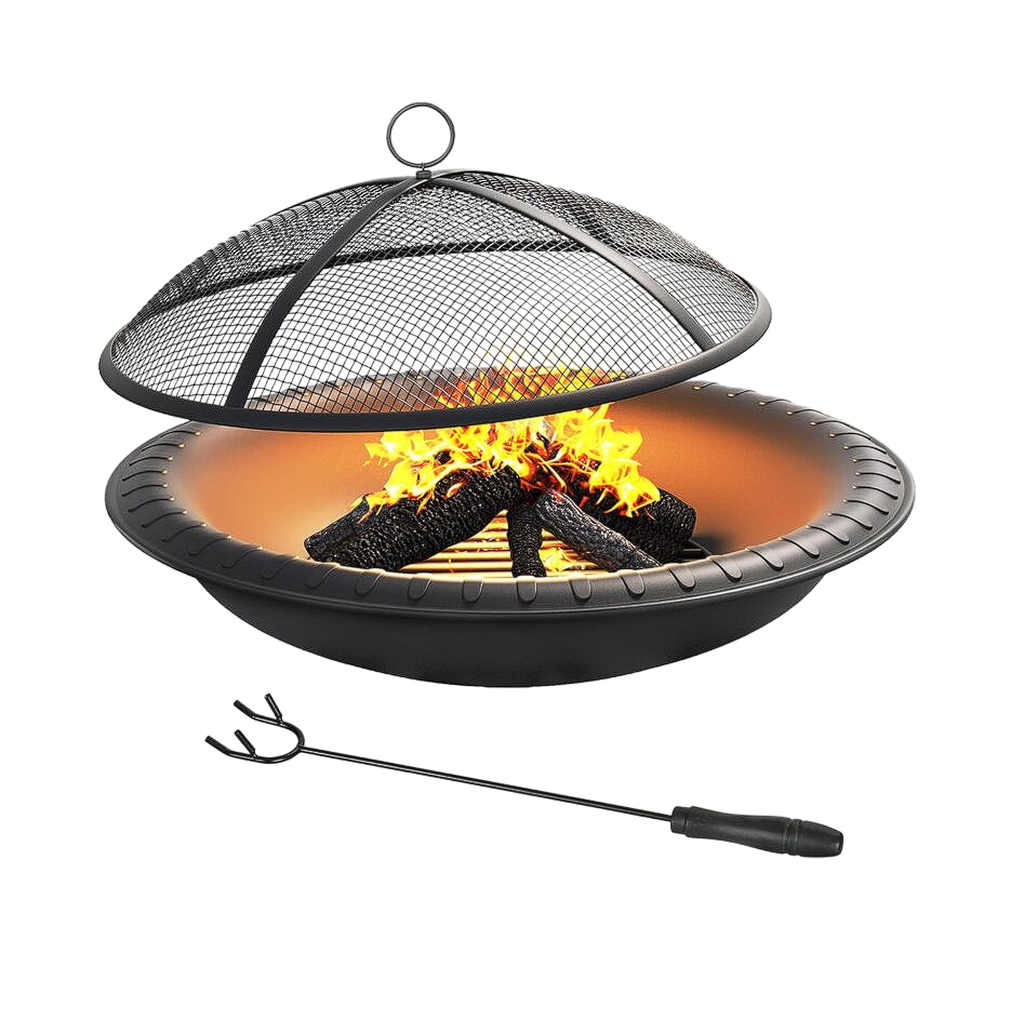
Begin with the intended sales channel and customer. A garden retailer, outdoor-living brand, camping specialist, distributor, hospitality buyer, and project supplier may need different product forms, packaging, documentation, and order quantities.
Prepare a short brief covering:
A specific brief makes it easier to compare supplier responses and reduces the risk of receiving quotes for different product configurations.
Ask the supplier to identify the model name and SKU associated with the quotation, product images, specification sheet, and sample. Record superseded or alternative codes rather than allowing two codes to describe the same page without explanation.
Check that the quotation references the same configuration shown in the images. Product families can contain several sizes, finishes, accessories, or packing options, so a general family name may not be precise enough for a purchase decision.
Ask for the specifications that affect product selection and inspection. The exact fields depend on the product, but a useful sheet commonly includes:
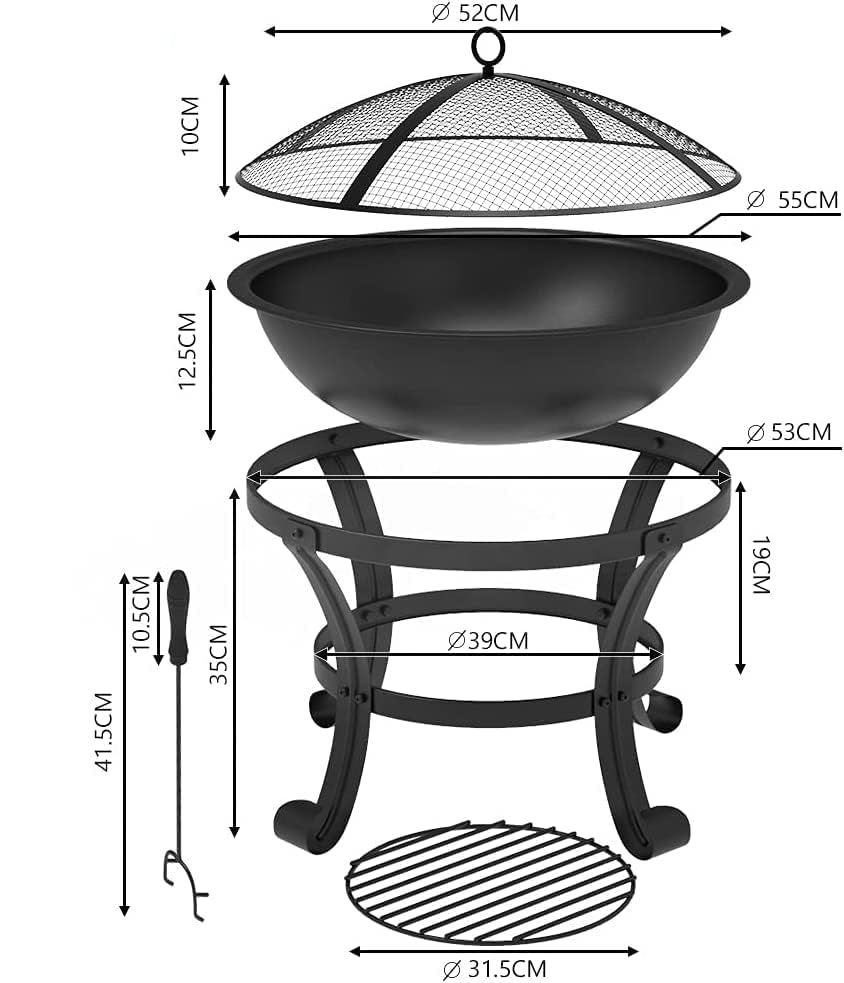
Ask the supplier to state when a value is estimated, configuration-dependent, or not yet confirmed. A clear open item is safer than a complete-looking specification without a source.
Separate product facts from marketing language. If a listing uses terms such as patented, certified, military-grade, heat-resistant, weather-resistant, or long-life, ask for the underlying evidence and the approved wording.
For a test report or certificate, request:
A document for one material, component, or model should not automatically be presented as proof for every finished product. Ask the responsible product, quality, or compliance owner which claims are approved for public use.
Compare quotations only when the packing and delivery scope is visible. Request the proposed carton dimensions, gross weight, units per carton, protective packaging, labeling, pallet or container assumptions, and any installation or assembly information that must be included.
Ask whether the quoted quantity and packing method are confirmed for the destination. Delivery terms, duties, taxes, insurance, and unloading responsibilities should be identified explicitly rather than inferred from a headline unit price.
For private-label or OEM/ODM sourcing, list every requested change: logo method, color or finish, accessories, packaging, labels, manuals, and product modifications. Ask which changes require a new drawing, sample, tooling investment, or minimum quantity.
Before mass production, agree on measurable sample acceptance criteria. Product dimensions, finish, component fit, packaging, labels, and instructions should be checked against the approved reference.
Use one request for quotation and compare responses line by line. A lower unit price may exclude an accessory, test document, stronger carton, retail label, or service included elsewhere.
Record at least:
A useful wholesale fire pit sourcing request gives the supplier enough context to answer precisely. Include the intended market, sales channel, model reference, estimated quantity, required configuration, packaging preferences, customization needs, requested documents, destination, and decision timeline.
Start with SMTJOY’s wholesale steel fire pits range, then request confirmed information for the models relevant to your range. Product examples include the 22-inch round fire bowl with grill, the foldable steel fire bowl, and the 30-inch carbon steel fire pit bowl.
Use the SMTJOY contact page to describe your market, product configuration, estimated quantity, and documentation requirements.
Before approving a supplier or quotation, confirm that the following items are tied to the same SKU and order scope:
Include your market, sales channel, preferred product type, target quantity, packaging or branding requirements, and any documents you need to review. A reference image or model code helps avoid configuration confusion.
Do not assume that it does. Confirm the tested model or family, configuration, method, issuing organization, market scope, and validity with the responsible supplier.
No. Compare the product, accessories, documents, packaging, sample terms, quantity, delivery scope, and lead-time assumptions included in each quotation.
Discuss packaging during product selection and again before the order is approved. Packing affects product protection, handling, storage, labeling, and logistics planning.
Share your destination market, intended sales channel, reference model, estimated order quantity, and any branding or documentation requirements. SMTJOY can then confirm which product configuration and commercial terms are available for the selected model.


